Government appoints Mandeep Kaur as inquiry officer; NCW seeks action-taken report as controversy raises questions over workplace dignity, bureaucratic accountability and the powers of Jammu and Kashmir’s elected government
By: News Desk | 16 October 2025
Srinagar: Jammu and Kashmir’s controversy over the alleged verbal abuse of a junior woman officer by senior IAS officer Kumar Rajeev Ranjan has moved from political condemnation to a formal government inquiry, bringing renewed attention to administrative accountability, workplace dignity and the distribution of powers under the Union Territory framework.
The Jammu and Kashmir Government on Friday ordered an in-depth inquiry into allegations that Ranjan, Administrative Secretary of the Labour and Employment Department, used derogatory language towards Beenish Wani, a Jammu and Kashmir Administrative Service (JKAS) officer posted as Assistant Director, Employment, in Ganderbal. The inquiry officer has been directed to submit a report within 15 days.
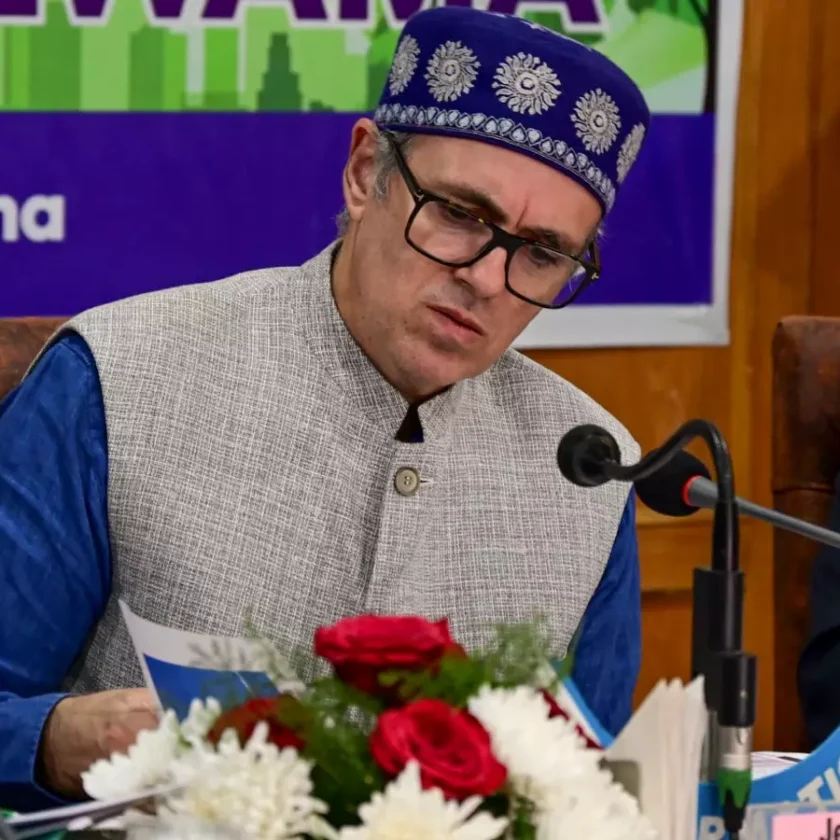
Chief Minister Omar Abdullah has taken up the matter with Chief Secretary Atal Dulloo, describing the senior officer’s reported conduct as inconsistent with the standards expected of a senior bureaucrat. The National Commission for Women (NCW) has also taken suo motu cognisance and sought an action-taken report within seven days.
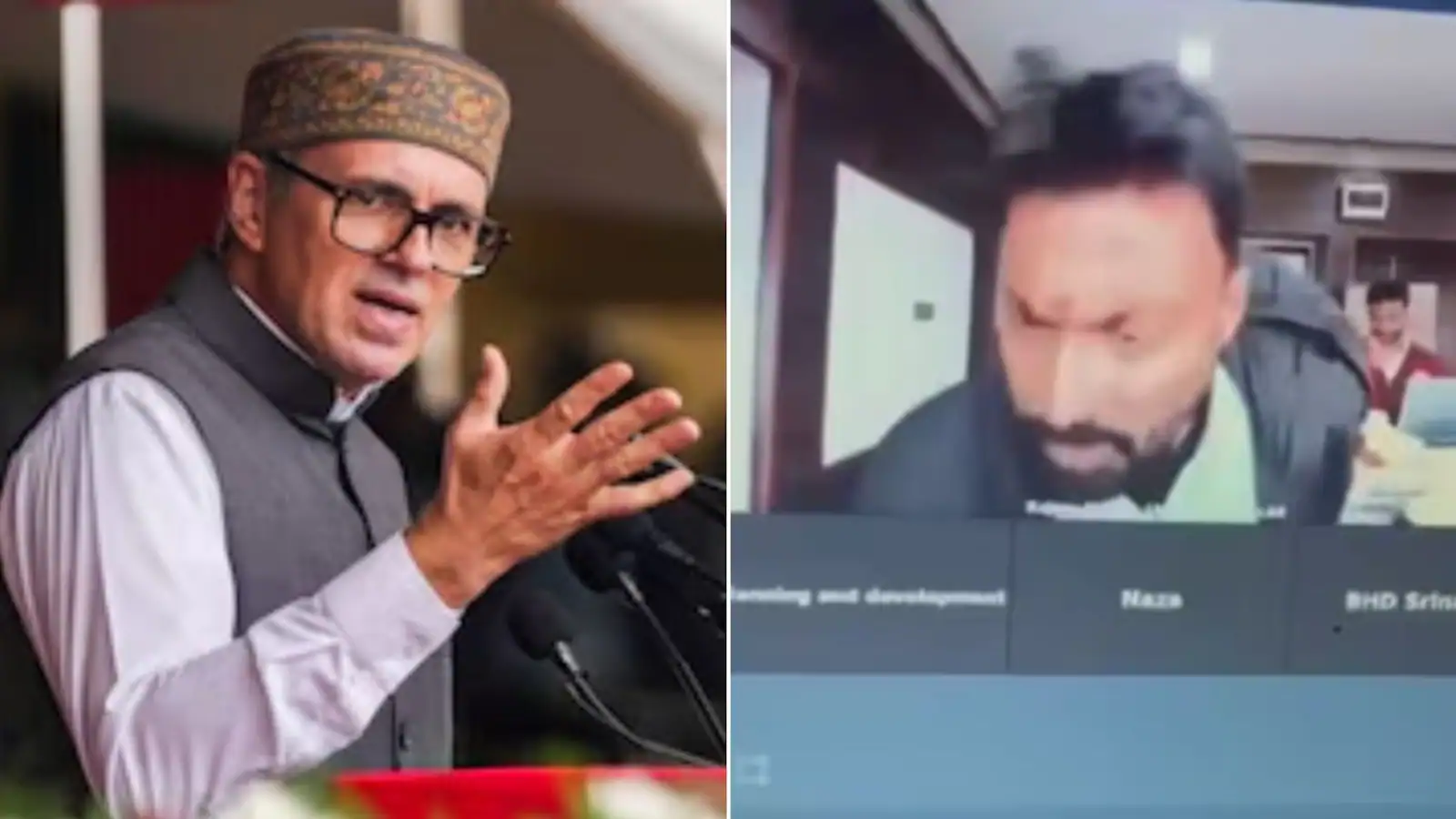
The developments follow the circulation of a video purportedly showing a heated exchange between Ranjan and Wani during a virtual review meeting on Mission YUVA on October 14. The footage triggered criticism from political leaders and demands from the JKAS fraternity for an impartial investigation and protection against possible retaliation.
Government Orders Formal Inquiry, Sets 15-Day Deadline
The General Administration Department (GAD) has appointed Mandeep Kaur, Commissioner/Secretary in the Housing and Urban Development Department, as the inquiry officer to examine the allegations involving Ranjan and Wani.
Amit Vermani, Additional Secretary in the GAD, has been appointed as the presenting officer. The inquiry is expected to establish the circumstances surrounding the exchange and examine the allegations through the prescribed administrative process.
The government’s decision marks a significant development in a controversy that initially gained momentum through the circulation of the video and demands for action by employee associations and political parties.
However, ordering an inquiry is not the same as establishing misconduct. The findings will need to be based on the available recording, relevant official records, statements from the officers concerned and other evidence considered necessary by the inquiry officer.
The 15-day deadline also places the administration under pressure to complete the fact-finding exercise promptly while ensuring that the process remains fair and procedurally sound.
What Happened During the Mission YUVA Meeting?
The controversy centres on a virtual review meeting held on October 14 to assess implementation and progress under Mission YUVA, a Jammu and Kashmir government initiative focused on youth entrepreneurship and employment-related opportunities.
According to media reports, the confrontation arose during a discussion involving the role of the National Rural Livelihoods Mission (NRLM) and the performance or targets of the Employment and Counselling Centre in Ganderbal.
In the circulating footage, Ranjan is purportedly heard using the phrase “bloody shit” while addressing Wani and warning her about his authority. Reports also say he threatened suspension and asked that an order be prepared after the exchange became heated.
Wani, who was participating remotely, reportedly challenged the manner in which she was being addressed. Some reports have stated that she was on leave while recovering from a fractured foot.
The episode has drawn attention not only because of the language allegedly used but also because the exchange took place during an official government meeting, where supervisory authority and professional accountability are expected to operate within established service rules.
The inquiry will have to determine the precise circumstances of the exchange, the authenticity and completeness of the recording, and whether the conduct breached applicable service requirements.
Video Authenticity Disputed, Making Independent Scrutiny Important
An important complication is that the Labour and Employment Department reportedly disputed the circulating video, describing it as AI-generated and digitally manipulated. Wani, according to other media reports, rejected the suggestion that the video had been altered.
These competing accounts make independent verification a central part of the inquiry. The recording should not be treated as conclusive proof of every allegation until the relevant authorities examine its authenticity, context and completeness.
At the same time, a claim that footage is fabricated must also be tested rather than accepted without scrutiny. The inquiry should establish what occurred during the meeting using the original recording, if available, and corroborating evidence.
A transparent finding would help address both the allegations against the senior officer and the dispute over the video. It would also reduce the risk of the matter being decided through competing political statements or social-media narratives rather than evidence.
Omar Abdullah Seeks Accountability and Protection Against Retaliation
Omar Abdullah has taken up the matter with Chief Secretary Atal Dulloo, saying the conduct allegedly displayed by the senior officer was not in keeping with the standards expected of a senior IAS officer.
The Chief Minister has also called for the junior officer to be protected against retaliatory action. This aspect is particularly important because Wani remains part of the administrative system in which the officer facing allegations occupies a senior position.
A fair inquiry must protect the rights of both officers. Wani should be able to participate without intimidation or professional disadvantage, while Ranjan must have an opportunity to respond to the allegations through the prescribed process.
Protection against retaliation does not predetermine the outcome of the inquiry. It is a safeguard intended to ensure that the reporting officer, witnesses and other officials can provide information without fear of consequences unrelated to their official duties.
NCW Seeks Action-Taken Report Within Seven Days
The National Commission for Women has taken suo motu cognisance of the episode and sought an action-taken report from the Jammu and Kashmir administration within seven days.
The commission has called for an impartial inquiry, verification of the video and appropriate action if the allegations are established. It has also emphasised the need for safeguards against workplace harassment, victimisation and professional retaliation.
The NCW’s intervention gives the controversy a wider institutional dimension. The issue is no longer confined to relations between two officers or the internal functioning of a government department. It has also raised questions about the standards of conduct expected in public institutions and the mechanisms available to protect women employees from intimidation.
The commission’s request is not itself a finding of guilt. Its significance lies in seeking a documented response from the administration and pressing for the allegations to be examined through a formal process.
Government Circular Stresses Courtesy, Dignity and Professional Conduct
Alongside the inquiry, the Jammu and Kashmir administration issued a circular reminding government employees of the standards expected in official interactions.
The circular referred to the Jammu and Kashmir Government Employees (Conduct) Rules, 1971, and stressed integrity, discipline, professionalism, courtesy and mutual respect between seniors, colleagues, subordinate staff and members of the public.
It also stated that supervisory authority should be exercised responsibly and fairly, while derogatory, threatening or otherwise inappropriate language should be avoided.
The advisory is significant because it addresses the wider institutional issue highlighted by the controversy: professional conduct is expected at every level of the administrative hierarchy.
Government departments must monitor performance, question delays and fix responsibility for failures. But such scrutiny is most effective when it follows established procedures and allows officials to explain their decisions without personal humiliation.
The circular does not determine whether the allegations against Ranjan are proved. Rather, it sets out the conduct standards that the administration says public servants are expected to observe.
JKAS Fraternity Demands an Impartial Inquiry
The JKAS fraternity has condemned the alleged conduct and demanded an impartial investigation, arguing that administrative accountability cannot justify abusive language, intimidation or public humiliation.
The association has also raised concerns about the possibility of retaliatory action against Wani. Its position reflects a broader demand that officers from the local administrative service should be able to discharge their responsibilities without fear of arbitrary treatment by senior officials.
The controversy has also exposed long-standing sensitivities surrounding relations between officers of the Indian Administrative Service (IAS) and the Jammu and Kashmir Administrative Service (JKAS).
The two services operate within the same administrative machinery but have different recruitment pathways, service structures and career trajectories. Disputes involving rank, authority and professional treatment can therefore acquire significance beyond an individual disagreement.
Those wider concerns should not be treated as proof of systemic discrimination in this particular case. They do, however, explain why the JKAS fraternity is seeking an inquiry that is independent in its approach, transparent in its findings and credible to the officers affected.
A formal investigation can help distinguish a specific allegation of misconduct from broader concerns about workplace culture, hierarchy and the treatment of local service officers.
Political Parties Across the Divide Demand Action
The episode has drawn criticism from political leaders across party lines, turning the controversy into a wider debate over the conduct of public officials.
PDP leader Iltija Mufti has demanded action against the senior officer, while the National Conference has used the episode to highlight the constraints it says the elected government faces under Jammu and Kashmir’s Union Territory arrangement.
The political response has extended beyond the language allegedly used in the meeting. It has also raised questions about who exercises effective control over senior bureaucrats, how complaints against them are handled and whether the administration can ensure accountability without political considerations influencing the process.
For the inquiry to retain public confidence, its conclusions will need to rest on evidence and applicable service rules rather than party demands. Calls for disciplinary action may reflect the seriousness with which political leaders view the allegations, but the final administrative decision must follow the findings and the relevant procedures.
“Would Have Been Attached to GAD if J&K Were a State”: The Statehood Debate
The controversy has also revived the National Conference’s argument that Jammu and Kashmir’s Union Territory status limits the elected government’s authority over certain senior officers.
NC chief spokesperson Tanvir Sadiq said that if Jammu and Kashmir had full statehood, Ranjan would have been attached to the General Administration Department pending an inquiry.
The remark reflects the NC’s political position that key administrative powers remain outside the direct control of the elected government under the current arrangement. But the question of authority over IAS officers is governed by the applicable constitutional provisions, service rules and allocation of powers, not simply by political assertions.
Jammu and Kashmir’s Union Territory framework has created a distinctive relationship between the elected government, the Lieutenant Governor and the Union administration. The precise authority to transfer, attach, suspend or initiate disciplinary proceedings against an officer can depend on the officer’s service and cadre, the nature of the proposed action and the rules applicable to that decision.
The fact that the government has now ordered a formal inquiry is important in this context. It demonstrates that an administrative fact-finding process has been initiated, even as the larger debate over the elected government’s powers continues.
The inquiry should therefore be assessed on its own terms: whether the facts are established, whether the procedure is fair and whether any subsequent action is taken by the competent authority under the relevant rules.
Why the Case Matters Beyond Two Officers
The episode has brought four interconnected issues into focus.
First, workplace dignity. Public servants can be questioned about performance, targets and implementation. Such scrutiny should remain professional and should not become personal abuse or intimidation.
Second, administrative accountability. Seniority carries responsibility. A functioning bureaucracy requires clear reporting lines, but it also requires mechanisms to examine allegations against senior officials.
Third, protection against retaliation. A junior officer who challenges or reports alleged misconduct must not face unrelated professional consequences merely for speaking up. Equally, safeguards should operate within due process and not presume the outcome of an inquiry.
Fourth, institutional credibility. When a controversy involves senior officials, the administration’s response becomes a test of whether service rules are applied consistently. A clear timeline, evidence-based findings and a reasoned decision can help restore confidence.
The government’s circular on conduct and the appointment of an inquiry officer are formal steps. The credibility of the response will ultimately depend on how thoroughly the allegations are examined and whether the administration communicates the outcome clearly.
What Happens Next?
The immediate next step is the inquiry led by Mandeep Kaur, who has been asked to submit a report within 15 days. The NCW has separately sought an action-taken report within seven days.
The inquiry will need to address the circumstances of the October 14 meeting, the language allegedly used, the threat of suspension reported in connection with the exchange, the competing claims over the video’s authenticity and any other evidence relevant to the allegations.
The administration will then have to consider the findings and determine whether further action is warranted under the applicable service rules. Any disciplinary decision must follow the prescribed process.
For Wani, the immediate concern is that the inquiry proceeds without retaliation and that her account is examined fairly. For Ranjan, the process provides an opportunity to respond to the allegations and for the disputed evidence to be assessed. For the government, the challenge is to demonstrate that seniority does not place an officer beyond scrutiny, while ensuring that allegations are not treated as proven before the investigation is complete.
The case has already moved beyond a viral video and political exchanges. A formal inquiry is now under way, and a national statutory commission has sought an official response. The decisive test will be whether the process produces timely, credible findings and whether the administration acts on them in accordance with the rules.